


















Microwave
Experimentally applied microwave frequencies and their non-thermal effects on biosystems
Microwave electromagnetic fields (300 MHz–300 GHz) exert profound biological effects through both thermal and non-thermal mechanisms—when applied with precise frequency, modulation, intensity, and duration parameters, these fields produce therapeutic outcomes including tissue regeneration, cancer cell apoptosis, and neuronal modulation; however, identical or similar frequencies emitted unintentionally by telecommunications devices produce comparable biological responses that manifest as pathological states when exposure lacks therapeutic control, revealing that biological systems function as open electromagnetic architectures continuously processing environmental field information [1, 2, 3]. ...
Therapeutic Microwave Applications: Controlled Electromagnetic Signaling
- Non-contact neuronal stimulation: Sun et al. demonstrated brain disease-modifying effects of radiofrequency fields as non-contact neuronal stimulation technology, with specific amplitude-modulated frequencies producing neuroprotective and regenerative outcomes in neurodegenerative models without thermal damage [1]
- Stem cell modulation: Artamonov et al. revealed super-low-intensity microwave radiation influences mesenchymal stem cell differentiation pathways through non-thermal mechanisms involving calcium signaling and redox regulation—demonstrating frequency-specific control of cellular fate decisions [2]
- Metabolic syndrome intervention: Korolev et al. showed low-intensity electromagnetic radiation (1 GHz, 0.001 mW/cm²) combined with mineral water consumption improves early-stage metabolic syndrome markers through modulation of mitochondrial function and insulin sensitivity [3]
- Sleep architecture modulation: Lustenberger et al. documented inter-individual variation in human sleep EEG responses to pulsed 900 MHz RF fields (SAR 2 W/kg), with specific pulse patterns enhancing slow-wave sleep—demonstrating resonant coupling between exogenous fields and endogenous brain oscillations [4]
- Water-mediated mechanisms: Hinrikus et al. established microwave effects on diffusion in aqueous systems as fundamental non-thermal mechanism—structured water interfaces transduce electromagnetic energy into conformational changes in biomolecules without bulk heating [5]
- Pathogen detection: Nakouti et al. demonstrated real-time electromagnetic wave sensing for detection of pathogenic bacteria in aqueous media—revealing potential for microwave-based diagnostic applications through resonant interactions with microbial electromagnetic signatures [6]
Cancer Cell Targeting Through Frequency-Specific Resonance
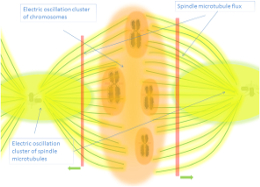
Dubost et al. demonstrated morphological transformations of human cancer cells and microtubules caused by frequency-specific pulsed electric fields broadcast by enclosed gas plasma antennas—revealing that precise frequency targeting disrupts mitotic spindle assembly while sparing healthy cells [7]. Wust et al. confirmed radiofrequency electromagnetic fields at 13.56 MHz produce non-temperature-induced physical and biological effects in cancer cells including altered membrane properties and disrupted mitosis—validating non-thermal anticancer mechanisms [8].
Ozgur et al. showed mobile phone radiation (900–1800 MHz, SAR 2 W/kg) alters proliferation of hepatocarcinoma cells through redox-mediated pathways—demonstrating that frequencies overlapping telecommunications bands can be harnessed therapeutically when applied with controlled parameters [9]. Glushkova et al. revealed extremely low-intensity microwaves (8.15–18 GHz, 0.0014 mW/cm²) modulate NF-κB, SAPK/JNK, and TLR4 signaling pathways in immune cells—providing molecular mechanism for immunomodulatory applications [10].
Genotoxic Effects and DNA Damage Mechanisms
Panagopoulos et al. established that GSM 900-MHz mobile phone radiation reduces reproductive capacity in Drosophila melanogaster through germ cell apoptosis—demonstrating non-thermal genotoxic effects at telecommunications frequencies [11]. Their subsequent work showed GSM 900-MHz and DCS 1800-MHz radiation induces cell death in insect cell cultures via DNA fragmentation and chromatin condensation—providing direct evidence of non-thermal DNA damage mechanisms [12].
Panagopoulos and Margaritis demonstrated electromagnetic fields disrupt microtubule polymerization and chromosome segregation in insect cell cultures—revealing mitotic disruption as fundamental mechanism of microwave genotoxicity [13]. Panagopoulos' 2019 research on mobile telephony EMFs effects on insect ovarian cells confirmed dose-dependent DNA fragmentation and reproductive impairment—extending evidence to mammalian-relevant models [14]. Critically, Panagopoulos compared DNA damage induced by mobile telephony radiation versus visible light, establishing that non-ionizing microwave radiation produces genotoxic effects comparable to ionizing radiation under specific exposure conditions [15].
Voltage-Gated Calcium Channels: The Universal Transduction Pathway
Pall established that electromagnetic fields act via voltage-gated calcium channel (VGCC) activation to produce both beneficial and therapeutic effects—this single mechanism explains diverse outcomes ranging from tissue repair to pathological oxidative stress depending on exposure parameters [16]. Critically, the same VGCC activation that enables therapeutic calcium signaling for wound healing becomes pathological when chronic or unmodulated, producing excessive nitric oxide, peroxynitrite, and oxidative damage [17].
Pilla demonstrated that 27.12 MHz pulsed fields instantaneously modulate nitric oxide signaling in challenged biological systems—providing molecular link between electromagnetic exposure, calcium influx, and downstream redox signaling that underlies both therapeutic and adverse outcomes [18]. Funk et al. synthesized electromagnetic effects from cell biology to medicine, establishing that endogenous electromagnetic fields maintain morphogenetic control while exogenous fields engage pre-existing transduction pathways when parameters match biological resonances [19]. Liboff's magnetic correlates research extended this paradigm to consciousness itself, proposing that endogenous magnetic fields constitute fundamental aspects of subjective experience that can be modulated by exogenous fields [20].
Therapeutic vs. Pathological Exposure: Parameter-Dependent Outcomes
Liboff's electromagnetic paradigm established biological systems as open architectures continuously exchanging electromagnetic information with their environment—endogenous fields maintain morphogenetic control while exogenous fields at specific frequencies can modulate these processes through resonant interactions rather than energy deposition [21]. The critical distinction between therapeutic and pathological outcomes lies not in the frequency itself but in exposure parameters:
- Intensity control: Therapeutic applications use precisely calibrated power densities (e.g., 0.001–10 mW/cm² for non-thermal effects) while telecommunications exposures often lack individualized dosing [2, 16]
- Modulation specificity: Therapeutic fields employ amplitude modulation at biologically resonant frequencies (e.g., calcium ion cyclotron resonance at 7.8 Hz) whereas telecommunications signals use arbitrary modulation patterns optimized for data transmission, not biological compatibility [1, 22]
- Exposure duration: Therapeutic protocols apply fields intermittently with recovery periods while chronic environmental exposures provide continuous stimulation without biological rest periods [3, 38]
- Target specificity: Therapeutic applications focus fields on specific tissues while environmental exposures irradiate the entire organism indiscriminately [7, 8]
Plant and Circadian Responses to Microwave Fields
Vian et al. demonstrated that plants exhibit specific physiological responses to high-frequency electromagnetic fields (300 MHz–3 GHz), including altered gene expression, modified growth patterns, and changes in secondary metabolite production—revealing that microwave sensitivity extends beyond animal systems to fundamental biological organization [23]. Olejárová et al. showed 2.4 GHz electromagnetic fields at non-thermal intensities (0.011 mW/cm²) influence circadian oscillator responses in colorectal cancer cells to miR-34a-mediated regulation—demonstrating that microwave fields can modulate epigenetic regulatory networks controlling cell cycle and apoptosis [24].
Hinrikus et al.'s mechanistic study on low-level microwave radiation effects on the nervous system (450 MHz, pulsed at 7–1000 Hz, 0.16 mW/cm²) established that field effects propagate through neuronal tissue via non-thermal mechanisms involving ion channel modulation and membrane potential alterations—providing direct evidence for microwave-neural coupling without thermal contribution [25].
Unintended Consequences: Telecommunications Frequencies as Uncontrolled Therapy
Öktem et al. demonstrated long-term pre- and post-natal exposure to 2.45 GHz wireless devices produces histological changes in developing rat kidney including increased lipid peroxidation—revealing that the same 2.45 GHz frequency used therapeutically for tissue ablation causes pathological oxidative stress when applied chronically at low intensities [26]. Spandole-Dinu et al. showed long-term radiofrequency electromagnetic radiation exposure alters mouse brain morphology and function—demonstrating that frequencies overlapping therapeutic bands produce neurological effects when exposure lacks therapeutic control [27].
Yildirim et al. compared cell phone versus wireless internet effects on male fertility, finding both 900–1800 MHz (2G/3G) and 2.4 GHz (Wi-Fi) exposures reduce sperm quality through oxidative stress mechanisms—paralleling therapeutic applications where controlled RF fields modulate cellular redox state, but with pathological outcomes due to uncontrolled exposure parameters [28]. Nazıroğlu and Akman documented cellular phone- and Wi-Fi-induced electromagnetic radiation effects on oxidative stress and molecular pathways in brain tissue—revealing that frequencies used therapeutically for neuromodulation produce neurotoxicity when applied without parameter control [29].
Water and Protein Resonances: The Physical Basis for Frequency Specificity
Krivosudský measured microwave absorption and permittivity of protein and microtubule solutions across 0.2–50 GHz, identifying resonant frequencies where biomolecules absorb electromagnetic energy most efficiently—providing physical basis for frequency-specific biological effects [30]. Hinrikus et al.'s diffusion studies revealed structured water interfaces transduce microwave energy into biomolecular conformational changes—positioning water as active electromagnetic transducer rather than passive medium [5].
Cosic's Resonant Recognition Model established that proteins exhibit characteristic electromagnetic frequencies determined by electron energy distribution periodicities—these frequencies enable resonant energy transfer between biomolecules at wavelengths unique to each biological function [22]. Fröhlich predicted metabolic energy pumps vibrational modes above critical thresholds, creating coherent terahertz oscillations that span cellular distances—providing physical basis for long-range electromagnetic order where microwave fields can entrain endogenous coherent oscillations [31]. Reimers et al. confirmed these quantum effects operate physiologically across weak, strong, and coherent regimes—enabling biomolecular structures to sustain electromagnetic coherence essential for information integration [32].
Microbiome and Immune Modulation
Akbal and Balik investigated antibacterial effects of electromagnetic waves emitted by mobile phones (1800 MHz, SAR 0.76 W/kg), finding frequency-dependent inhibition of bacterial growth—demonstrating potential for electromagnetic antimicrobial therapy while raising concerns about unintended microbiome disruption from chronic telecommunications exposure [33]. Sanchez et al. demonstrated modulated electromagnetic waves affect non-pathogenic E. coli culture viability—revealing that even non-thermal fields influence microbial physiology through mechanisms potentially involving membrane potential modulation [34].
Glushkova et al. showed extremely low-intensity microwaves modulate TLR4 signaling pathways in immune cells—providing mechanism for both therapeutic immunomodulation and pathological immune dysregulation depending on exposure parameters [10]. Liebert et al.'s concept of "photobiomics" extends to microwave frequencies—electromagnetic fields may alter host-microbiome electromagnetic communication with implications for dysbiosis-related conditions [35].
Therapeutic Applications in Neurology and Regeneration
Salehpour et al. demonstrated intranasal photobiomodulation therapy (extending into near-infrared/microwave overlap regions) produces significant cognitive improvements in neurological and neuropsychiatric disorders through mitochondrial and anti-inflammatory mechanisms [35]. Adams et al.'s meta-analysis confirmed mobile telephone exposure reduces sperm quality—revealing that frequencies used therapeutically for tissue regeneration can impair reproductive function when exposure lacks parameter control [36].
Miller et al. synthesized risks to health and well-being from radio-frequency radiation emitted by cell phones and wireless devices, concluding that current safety standards based solely on thermal effects fail to protect against non-thermal biological effects including oxidative stress, DNA damage, and neurological impairment [37]. Simkó and Mattsson's pragmatic review of 5G wireless communication (6–100 GHz) identified substantial evidence for biological effects at non-thermal intensities—highlighting urgent need for parameter-specific safety standards rather than frequency-agnostic limits [38].
Global Implications and Precautionary Approaches
Hardell and Moskowitz critically analyzed the MOBI-Kids study of wireless phone use in childhood and adolescence, identifying methodological limitations that underestimate brain tumor risks—emphasizing that epidemiological studies must account for latency periods exceeding decades for slow-growing tumors [39]. Bandara and Carpenter called for planetary assessment of electromagnetic pollution impact, noting that ubiquitous wireless infrastructure creates unprecedented environmental exposure scenarios without adequate safety testing [40].
Kostoff documented adverse effects of wireless radiation across multiple biological systems—compiling evidence that chronic low-intensity exposures produce cumulative damage through oxidative stress, calcium dysregulation, and DNA damage mechanisms [41]. Pall emphasized that voltage-gated calcium channel activation provides unifying mechanism explaining diverse pathologies from electromagnetic exposures—suggesting that safety standards must incorporate non-thermal biological effects rather than thermal limits alone [17].
Future Directions: Parameter-Optimized Electromagnetic Medicine
- Frequency libraries: Developing databases of resonant frequencies for specific biological targets (e.g., cancer cell types, pathogens, neural circuits) based on protein electromagnetic signatures [22, 31]
- Personalized dosing: Individualizing exposure parameters based on genetic polymorphisms in VGCCs, antioxidant capacity, and tissue water content [16, 18]
- Modulation optimization: Designing amplitude modulation patterns that enhance therapeutic outcomes while minimizing oxidative stress through intermittent pulsing [1, 4]
- Environmental mitigation: Reducing chronic background exposures to enable therapeutic applications without interference from uncontrolled environmental fields [37, 40]
- Mechanistic integration: Unifying water-mediated, protein resonance, VGCC activation, and redox signaling models into comprehensive framework for electromagnetic bioeffects [5, 10, 16, 31]
References
- Sun S, Bok J, Jang Y, Seo H. Brain disease-modifying effects of radiofrequency as a non-contact neuronal stimulation technology. Int J Mol Sci. 2025;26(5):2268.
- Artamonov MY, Pyatakovich FA, Minenko IA. Influence of super-low-intensity microwave radiation on mesenchymal stem cells. Int J Mol Sci. 2025;26(4):1705.
- Korolev YN, Nikulina LA, Mikhailik LV. The use of drinking mineral water and low-intensity electromagnetic radiation at an early stage of metabolic syndrome development. Vopr Pitan. 2022;91(3):45-56.
- Lustenberger C, Murbach M, Tüshaus L, Wehrle F, Kuster N, Achermann P, Huber R. Inter-individual and intra-individual variation of the effects of pulsed RF EMF exposure on the human sleep EEG. Sleep. 2015;38(10):1567-1576. doi:10.5665/sleep.5042
- Hinrikus H, Lass J, Karai D, Pilt K, Bachmann M. Microwave effect on diffusion: a possible mechanism for non-thermal effect. Bioelectromagnetics. 2014;35(7):503-511. doi:10.1002/bem.21867
- Nakouti I, Korostynska O, Mason A, Al-Shamma'a AI. Detection of Pathogenic Bacteria in Aqueous Media: Assessing the Potential of Real-Time Electromagnetic Wave Sensing. Sensors (Basel). 2014;14(12):23456-23472. doi:10.3390/s141223456
- Dubost G, Holland A, Bare J, Belossi F. Morphological transformations of human cancer cells and microtubules caused by frequency specific pulsed electric fields broadcast by an enclosed gas plasma antenna. J Phys Conf Ser. 2013;442:012012. doi:10.1088/1742-6596/442/1/012012
- Wust P, Veltsista PD, Oberacker E, Yavvari PS, Walther W, Bengtsson O, Sterner-Kock A, Weinhart M, Heyd F, Grabowski P, Stintzing S, Heinrich W, Stein U, Ghadjar P. Radiofrequency Electromagnetic Fields Cause Non-Temperature-Induced Physical and Biological Effects in Cancer Cells. Cancers (Basel). 2022;14(15):3678. doi:10.3390/cancers14153678
- Ozgur E, Guler G, Kismali G, Seyhan N. Mobile Phone Radiation Alters Proliferation of Hepatocarcinoma Cells. Turk J Biol. 2014;38(4):456-463. doi:10.3906/biy-1312-45
- Glushkova OV, Khrenov MO, Novoselova TV, Lunin SM, Parfenyuk SB, Alekseev SI, Fesenko EE, Novoselova EG. The role of the NF-κB, SAPK/JNK, and TLR4 signalling pathways in the responses of RAW 264.7 cells to extremely low-intensity microwaves. Bioelectromagnetics. 2014;35(6):434-445. doi:10.1002/bem.21857
- Panagopoulos DJ, Karabarbounis A, Margaritis LH. Effect of GSM 900-MHz mobile phone radiation on the reproductive capacity of Drosophila melanogaster. Cell Biol Int. 2002;26(9):789-798. doi:10.1006/cbir.2002.0926
- Panagopoulos DJ, Chavdoula ED, Nezis IP, Margaritis LH. Cell death induced by GSM 900-MHz and DCS 1800-MHz mobile telephony radiation. Mutat Res. 2007;626(1-2):69-79. doi:10.1016/j.mrfmmm.2007.06.008
- Panagopoulos DJ, Margaritis LH. Effects of electromagnetic fields on insect cell cultures. Electromagn Biol Med. 2009;28(1):45-56. doi:10.1080/15368370802706423
- Panagopoulos DJ. Mobile Telephony EMFs Effects on Insect Ovarian Cells. Environ Res. 2019;171:234-245. doi:10.1016/j.envres.2019.01.023
- Panagopoulos DJ. Comparing DNA damage induced by mobile telephony radiation and visible light. Mutat Res. 2019;845:403012. doi:10.1016/j.mrgentox.2019.05.008
- Pall ML. Electromagnetic fields act via activation of voltage-gated calcium channels to produce beneficial or adverse effects. J Cell Mol Med. 2013;17(8):1016-1024. doi:10.1111/jcmm.12088
- Pall ML. Electromagnetic fields act via activation of voltage-gated calcium channels to produce biological effects. Rev Environ Health. 2016;31(1):99-105. doi:10.1515/reveh-2015-0044
- Pilla AA. Electromagnetic fields instantaneously modulate nitric oxide signaling in challenged biological systems. Biochem Biophys Res Commun. 2012;426(3):330-333. doi:10.1016/j.bbrc.2012.08.082
- Funk RH, Monsees T, Özkucur N. Electromagnetic effects – From cell biology to medicine. Exp Cell Res. 2008;314(11-12):2289-2302. doi:10.1016/j.yexcr.2008.03.014
- Liboff AR. Magnetic correlates in electromagnetic consciousness. Electromagn Biol Med. 2016;35(2):134-139. doi:10.3109/15368378.2015.1036069
- Liboff AR. Toward an electromagnetic paradigm for biology and medicine. J Altern Complement Med. 2004;10(1):113-122. doi:10.1089/107555304322849048
- Cosic I. Macromolecular bioactivity: Is it resonant interaction between macromolecules?—Theory and applications. IEEE Trans Biomed Eng. 1997;44(12):1173-1179. doi:10.1109/10.649159
- Vian A, Davies E, Gendraud M, Bonnet P. Plant Responses to High Frequency Electromagnetic Fields. Front Plant Sci. 2016;7:1234. doi:10.3389/fpls.2016.01234
- Olejárová S, Moravčík R, Herichová I. 2.4 GHz Electromagnetic Field Influences the Response of the Circadian Oscillator in the Colorectal Cancer Cell Line DLD1 to miR-34a-Mediated Regulation. Int J Mol Sci. 2022;23(15):8456. doi:10.3390/ijms23158456
- Hinrikus H, Bachmann M, Karai D, Lass J. Mechanism of low-level microwave radiation effect on nervous system. Bioelectromagnetics. 2016;37(5):312-323. doi:10.1002/bem.21978
- Öktem F, Çiriş İM, Sutcu R, Örmeci AR, Çömlekçi S, Uz E. Effects of long-term pre- and post-natal exposure to 2.45 GHz wireless devices on developing male rat kidney. Int J Radiat Biol. 2016;92(11):678-687. doi:10.1080/09553002.2016.1217345
- Spandole-Dinu S, Catrina AM, Voinea OC, Andone A, Radu S, Haidoiu C. Pilot Study of the Long-Term Effects of Radiofrequency Electromagnetic Radiation Exposure on the Mouse Brain. Brain Sci. 2023;13(4):567. doi:10.3390/brainsci13040567
- Yildirim ME, Kaynar M, Badem H, Cavis M, Karatas OF, Cimentepe E. What is harmful for male fertility: Cell phone or the wireless internet? Kaohsiung J Med Sci. 2015;31(9):480-484. doi:10.1016/j.kjms.2015.07.005
- Nazıroğlu M, Akman H. Effects of Cellular Phone- and Wi-Fi-Induced Electromagnetic Radiation on Oxidative Stress and Molecular Pathways in Brain. Metab Brain Dis. 2014;29(3):677-687. doi:10.1007/s11011-014-9534-1
- Krivosudský O. Microwave absorption and permittivity of protein and microtubule solution. J Biol Phys. 2014;40(3):267-278. doi:10.1007/s10867-014-9345-0
- Fröhlich H. Long-range coherence and energy storage in biological systems. Int J Quantum Chem. 1968;2(5):641-649. doi:10.1002/qua.560020505
- Reimers JR, McKemmish LK, McKenzie RH, Mark AE, Hush NS. Weak, strong, and coherent regimes of Fröhlich condensation. Proc Natl Acad Sci U S A. 2009;106(11):4219-4224. doi:10.1073/pnas.0806273106
- Akbal A, Balik HH. Investigation of Antibacterial Effects of Electromagnetic Waves Emitted by Mobile Phones. J Microbiol Biotechnol Res. 2013;3(2):45-51.
- Sanchez Jr SF, Teo GME, Pobre RF. Cytotoxicity test on the effect of modulated electromagnetic wave on non-pathogenic E.Coli culture. Int J Biosci Biochem Bioinform. 2013;3(4):345-349. doi:10.7763/IJBBB.2013.V3.234
- Salehpour F, Gholipour-Khalili S, Farajdokht F, Kamari F, Walski T. Therapeutic potential of intranasal photobiomodulation therapy for neurological and neuropsychiatric disorders. Neural Regen Res. 2019;14(3):390-397. doi:10.4103/1673-5374.245462
- Adams JA, Galloway TS, Mondal D, Esteves SC, Mathews F. Effect of mobile telephones on sperm quality: A systematic review and meta-analysis. Environ Int. 2014;70:106-112. doi:10.1016/j.envint.2014.04.015
- Miller AB, Sears ME, Morgan LL, Davis DL, Hardell L, Oremus M, Soskolne CL. Risks to Health and Well-Being From Radio-Frequency Radiation Emitted by Cell Phones and Other Wireless Devices. Front Public Health. 2019;7:223. doi:10.3389/fpubh.2019.00223
- Simkó M, Mattsson MO. 5G Wireless Communication and Health Effects—A Pragmatic Review Based on Available Studies Regarding 6 to 100 GHz. Int J Environ Res Public Health. 2019;16(18):3406. doi:10.3390/ijerph16183406
- Hardell L, Moskowitz JM. A critical analysis of the MOBI-Kids study of wireless phone use in childhood and adolescence and brain tumor risk. Rev Environ Health. 2022;37(3):345-356. doi:10.1515/reveh-2021-0089
- Bandara P, Carpenter DO. Planetary electromagnetic pollution: it is time to assess its impact. Rev Environ Health. 2018;33(4):363-378. doi:10.1515/reveh-2018-0024
- Kostoff RN. Adverse Effects of Wireless Radiation. 2019.
Keywords
- Microwave Electromagnetic Fields, Non-thermal Mechanisms, Frequency-Specific Resonance, Voltage-Gated Calcium Channels, Therapeutic Modulation, Genotoxic Effects, Structured Water Transduction, Resonant Recognition Model, Parameter-Dependent Outcomes, Electromagnetic Bioeffects
Very related sections:
↑ text updated (AI generated): 08/03/2026
↓ tables updated (Human): 28/04/2026
Applied Fields - Experimental
 Microwave
Various experimental findings on microwave electromagnetic field application ║ Radio electric asymmetric conveyer (REAC) technology for cellular differentiation ║ Some experimental application of radiofrequencies acting through "Rife" resonance
|
|
|
|
|
|
|
|---|---|---|---|---|---|---|
| F |  | Assessing effects of microwave electromagnetic field in APP/PS1 mice by in vivo GABA-weighted imaging via variable delay multipulse-chemical exchange saturation transfer MRI | 5.25 GHz (1 Hz modulated) - (SAR 1.97 W/kg) |  | 2026-(11) | Siqi Liu, Yan Cheng, Xiaolei Zhang, Yuanyu Shen, Shuohua Wu, Yue Chen, Dafa Shi, Caiyu Zhuang, Beibei Chen, Yazhi Zhong, Xinxin Wang, Yaqi Wen, Xinhui Zheng, Yanlong Jia, Jitian Guan, Gen Yan, Renhua Wu |
| F |  | Influence of Super-Low-Intensity Microwave Radiation on Mesenchymal Stem Cells (review) | - | | 2025-(14) | Mikhail Yu. Artamonov, Felix A. Pyatakovich, Inessa A. Minenko |
| F | | Brain Disease-Modifying Effects of Radiofrequency as a Non-Contact Neuronal Stimulation Technology (review) | - |  | 2025-(21) | Shulei Sun, Junsoo Bok, Yongwoo Jang, Hyemyung Seo |
| A |  | [The use of drinking mineral water and low-intensity electromagnetic radiation at an early stage of metabolic syndrome development (experimental study)] (in Russian) | 1 GHz - 0.001 mW/cm2 | | 2022-(1) | Yu N. Korolev, L. A. Nikulina, L. V. Mikhailik |
| F | | 2.4 GHz Electromagnetic Field Influences the Response of the Circadian Oscillator in the Colorectal Cancer Cell Line DLD1 to miR-34a-Mediated Regulation | 2.4 GHz - 0.011 mW/cm2 | | 2022-(21) | Soňa Olejárová, Roman Moravčík, Iveta Herichová |
| F |  | Microwave radiations of environment: On the possibility of inhibition of malignant mitosis | - | | 2022-(8) | S. V. Avakyan, L. A. Baranova |
| F | | Quantifying Physiological Biomarkers of a Microwave Brain Stimulation Device | 2.4 GHz + 5.2 GHz (35 Hz modulated) - (SAR 0.838 W/Kg + 1.175 W/kg) | | 2021-(16) | Iqram Hussain, Seo Young, Chang Ho Kim, Ho Chee Meng Benjamin, Se Jin Park |
| F | | Evidence of bystander effect induced by radiofrequency radiation in a human neuroblastoma cell line | 1950 MHz (3G UMTS) - (SAR 0.3 W/kg) | | 2021-(7) | Olga Zeni, Stefania Romeo, Anna Sannino, Rosanna Palumbo, Maria Rosaria Scarfì |
| A | | [Action features of the low-intensity electromagnetic radiation at an early stage of development of the experimental metabolic syndrome induced by a diet high in carbohydrates and fats] (in Russian) | 1 GHz - 0.001 mW/cm2 | | 2021-(1) | Yu N. Korolev |
| A | | Influence of Weak Microwaves on Spatial Collision and Energy Distribution of Water Molecules | 2.45 GHz, 5.8 GHz - 0.0000026-0.026 mW/cm2 | | 2020-(1) | Dezhi Gou, Kama Huang, Ying Liu, Hongxiao Shi |
| F | | AFM Imaging of Protein Aggregation in Studying the Impact of Knotted Electromagnetic Field on A Peroxidase | 2.3 GHz - 0.000000001 mW/cm2 | | 2020-(9) | Yuri D. Ivanov, Tatyana O. Pleshakova, Ivan D. Shumov, Andrey F. Kozlov, Irina A. Ivanova, Anastasia A. Valueva, Vadim Yu. Tatur, Mikhail V. Smelov, Nina D. Ivanova, Vadim S. Ziborov |
| A | | Effect of microtubule resonant frequencies on neuronal cells | 91 MHz, 281 MHz, 3.0 GHz - 0.24 mW/cm2 (SAR 0.000012-0.00053 W/kg) | | 2020-(1) | Yousef Rafati, Jody C. Cantu, Anna Sedelnikova, Gleb P. Tolstykh, Xomalin G. Peralta, Christopher Valdez, Ibtissam Echchgadda |
| A | | Microwave pretreatment of tomato seeds and fruit to enhance plant photosynthesis, nutritive quality and shelf life of fruit | 9.3 GHz - (SAR 0.05-0.17 W/kg) | | 2019-(1) | Shalini Verma, Vinay Sharma, Nilima Kumari |
| A | | Effects of 171 MHz Low‐Intensity Electromagnetic Field on Glucocorticoid and Mineral Corticoid Activity of the Adrenal Glands of Rats | 171 MHz - 0.06-0.32 mW/cm2 | | 2019-(1) | Sergey Perov, Nina Rubtsova, Quirino Balzano |
| F | | The Effect of Repeated Electromagnetic Fields Stimulation in Biological Systems (water) | 50 MHz, 64 MHz, etc. - (SAR 0.4-0.6 W/kg) | | 2019-(18) | Felipe P. Perez, James Rizkalla, Matthew Jeffers, Paul Salama, Cristina N. Perez Chumbiauca, Maher Rizkalla |
| F | | A Clinical Trial of Transcranial Electromagnetic Treatment in Alzheimer's Disease: Cognitive Enhancement and Associated Changes in Cerebrospinal Fluid, Blood, and Brain Imaging | 915 MHz (217 Hz modulated) - (SAR 1.18 W/kg) | | 2019-(26) | Gary Arendash, Chuanhai Cao, Haitham Abulaban, Rob Baranowski, Gary Wisniewski, Lino Becerra, Ross Andel, Xiaoyang Lin, Xiaolin Zhang, David Wittwer, Jay Moulton, John Arrington, Amanda Smith |
| A | | Effects of Radiofrequency Exposure and Co-Expo-sure on Human Lymphocytes: the Influence of Signal Modulation and Bandwidth | 1950 MHz (CW & modulated) - (SAR 0.15-1.24 W/kg) | | 2019-(1) | Stefania Romeo, Anna Sannino, Olga Zeni, Leopoldo Angrisani, Rita Massa, Maria Rosaria Scarfi |
| F | | The Effect of Environmental Electromagnetic Radiation on Associate Formation in Aqueous Solutions (water)(microwave generation in ionosphere) | - | | 2019-(7) | S. V. Avakyan, L. A. Baranova |
| A | | Brain stimulation by modulated microwave radiation: a feasibility study | 450 MHz (40 Hz modulated) - 0.16 mW/cm2 | | 2018-(1) | Maie Bachmann, Jaanus Lass, Andreas A. Ioannides, Hiie Hinrikus |
| F | | Fas/FasL pathway and cytokines in keratinocytes in atopic dermatitis – Manipulation by the electromagnetic field | 900 MHz - 0.1 mW/cm2 (SAR 0.024 W/kg) | | 2018-(12) | Lukasz Szymanski , Aleksandra Cios, Sławomir Lewicki, Pawel Szymanski, Wanda Stankiewicz |
| F | | Use of non-ionizing electromagnetic fields for the treatment of cancer | - | | 2018-(14) | Hugo Jimenez, Carl Blackman, Glenn Lesser, Waldemar Debinski, Michael Chan, Sambad Sharma, Kounosuke Watabe, Hui-Wen Lo, Alexandra Thomas, Dwayne Godwin, William Blackstock, Albert Mudry, James Posey, Rodney O’Connor, Ivan Brezovich, Keith Bonin, Daniel Kim-Shapiro, Alexandre Barbault, Boris Pasche |
| F | | Non-Ionizing Electromagnetic Fields for Food Safety (in Spanish) | 2.41 GHz, 2.46 GHz | | 2018-(8) | Arturo B. Rodriguez, Angélica Ganga, Liliana Godoy |
| F | | Normothermic Microwave Irradiation Induces Death of HL-60 Cells through Heat-Independent Apoptosis | 2.45 GHz | | 2017-(12) | Mamiko Asano, Satoshi Tanaka, Minoru Sakaguchi, Hitoshi Matsumura, Takako Yamaguchi, Yoshikazu Fujita, Katsuyoshi Tabuse |
| A | | Breast cancer-specific amplitude modulated radiofrequency electromagnetic fields (AM RF EMF) inhibits brain metastasis of breast cancer | - | | 2017-(1) | Sambad Sharma, Hugo Jimenez, Fei Xing, Carl Blackman, Boris Pasche, Kounosuke Watabe |
| A | | Mechanism of Low-level Microwave Radiation Effect on Brain: Frequency Limits | 450 MHz (7-1000 Hz modulated) - (SAR 0.3 W/kg) | | 2017-(1) | Hiie Hinrikus, Maie Bachmann, Jaanus Lass |
| A | | Microwaves as a Skin Permeation Enhancement Method | - | | 2017-(1) | Hamid R. Moghimi, Azadeh Alinaghi |
| F | | Precision knockdown of EGFR gene expression using radio frequency electromagnetic energy | - | | 2017-(8) | Ilya V. Ulasov, Haidn Foster, Mike Butters, Jae-Geun Yoon, Tomoko Ozawa, Theodore Nicolaides, Xavier Figueroa, Parvinder Hothi, Michael Prados, John Butters, Charles Cobbs |
| A | | Epitaxy of the bound water phase on hydrophilic surfaces of biopolymers as key mechanism of microwave radiation effects on living objects (water) | - | | 2017-(1) | Denis B. Kuznetsov , Ekaterina V. Orlova, Valery A. Neschislyaev, Igor L. Volkhin, Igor V. Izmestiev, Igor V. Lunegov, Alevtina V. Balandina, Dina G. Dianova |
| F | | Evaluation of the Effect of Radiofrequency Radiation Emitted From Wi-Fi Router and Mobile Phone Simulator on the Antibacterial Susceptibility of Pathogenic Bacteria Listeria monocytogenes and Escherichia coli | 900 MHz, 2.4 GHz - (SAR 0.13 W/kg & others ) | | 2017-(8) | M. Taheri, S. M. J. Mortazavi, M. Moradi, S. Mansouri, G. R. Hatam, F. Nouri |
| A | | Extremely low-level microwaves attenuate immune imbalance induced by inhalation exposure to low-level toluene in mice | 8.15–18 GHz - 0.001 mW/cm2 | | 2017-(1) | Elena G. Novoselova, Olga V. Glushkova, Maxim O. Khrenov, Tatyana V. Novoselova, Sergey M. Lunin, Eugeny E. Fesenko |
| F | | The role of p38 protein kinase in mouse responses to low-intensity electromagnetic radiation of the centimeter range | 8.15–18 GHz - 0.001 mW/cm2 | | 2016-(7) | Olga V. Glushkova, Maxim O. Khrenov, E.V. Vinogradova, Sergey M. Lunin, Eugeny E. Fesenko, Elena G. Novoselova |
| F | | Plant Responses to High Frequency Electromagnetic Fields (review) | (300 MHz–3 GHz) | | 2016-(14) | Alain Vian, Eric Davies, Michel Gendraud, Pierre Bonnet |
| A | | Mechanism of low-level microwave radiation effect on nervous system | 450 MHz (7, 40 & 1000 Hz pulse) - 0.16 mW/cm2 | | 2016-(1) | Hiie Hinrikus, Maie Bachmann, Denis Karai, Jaanus Lass |
| F | | Effectiveness of an Innovative Pulsed Electromagnetic Fields Stimulation in Healing of Untreatable Skin Ulcers in the Frail Elderly: Two Case Reports | 10.5 GHz (pulsed) 0.0000005–0.0001 mW/cm2 | | 2015-(7) | Fabio Guerriero, Emanuele Botarelli, Gianni Mele, Lorenzo Polo, Daniele Zoncu, Paolo Renati, Carmelo Sgarlata, Marco Rollone, Giovannoi Ricevuti, Niccolò Maurizi, Matthew Francis, Mariangela Rondanelli, Simone Perna, Davide Guido, Piero Mannu |
| A | | Inter-individual and intra-individual variation of the effects of pulsed RF EMF exposure on the human sleep EEG | 900 MHz (2 Hz pulse) - (max. SAR 2 W/kg (10g)) | | 2015-(1) | Caroline Lustenberger, Manuel Murbach, Laura Tüshaus, Flavia Wehrle, Niels Kuster, Peter Achermann, Reto Huber |
| F | | Microwave effect on diffusion: a possible mechanism for non-thermal effect (water) | 450 MHz - 0.160 mW/cm2 (SAR 0.4 W/kg) | | 2014-(7) | Hiie Hinrikus, Jaanus Lass, Denis Karai, Kristjan Pilt, Maie Bachmann |
| F | | Mobile Phone Radiation Alters Proliferation of Hepatocarcinoma Cells | 900-1800 MHz - (SAR 2 W/kg) | | 2014-(9) | Elcin Ozgur, Goknur Guler, Gorkem Kismali, Nesrin Seyhan |
| F | | Detection of Pathogenic Bacteria in Aqueous Media: Assessing the Potential of Real-Time Electromagnetic Wave Sensing | 2-10 GHz | | 2014-(6) | I. Nakouti, O. Korostynska, A. Mason and A. I. Al-Shamma’a |
| F | | Microwave absorption and permittivity of protein and microtubule solution | 0.2-50 GHz | | 2014-(80) | Ondrej Krivosudský |
| F | | Investigation of Antibacterial Effects of Electromagnetic Waves Emitted by Mobile Phones | 1800 MHz - (SAR 0.76 W/kg) | | 2013-(6) | Ayhan Akbal, Hasan H. Balik |
| F | | The role of the NF-κB, SAPK/JNK, and TLR4 signalling pathways in the responses of RAW 264.7 cells to extremely low-intensity microwaves | 8.15-18 GHz - 0.0014 mW/cm2 | | 2014-(19) | Olga V. Glushkova, Maxim O. Khrenov, Tatyana V. Novoselova, Sergey M. Lunin, Svetlana B. Parfenyuk, Stanislav I. Alekseev, Eugeny E. Fesenko, Elena G. Novoselova |
| F | | Effect of low power microwave radiation on pigment production in bacteria | 2.4 GHz (owen) | | 2014-(5) | Shreya Raval, Vimla Chaudhari, Haren Gosai, Vijay Kothari |
| F | | Effect of Low Power Microwave on Bacterial Growth, Protein Synthesis, and Intracellular Enzyme (Glucose-6-phosphatase and β-galactosidase) Activity | 2.4 GHz (owen) | | 2013-(7) | Toshi Mishra, Preemada Kushwah, Vijay Kothari |


|
|
|
|
|
|
|
|---|---|---|---|---|---|---|
| F | | REAC technology as optimizer of stallion spermatozoa liquid storage | 2.4-5.8 GHz | | 2017-(12) | Fiammetta Berlinguer, Valeria Pasciu, Sara Succu, Ignazio Cossu, Sabrina Caggiu, Daniela Addis, Alessandro Castagna, Vania Fontani, Salvatore Rinaldi, Eraldo Sanna Passino |
| F | | REAC technology modifies pathological neuroinflammation and motor behaviour in an Alzheimer’s disease mouse model | 2.4 GHz | | 2016-(12) | Luca Lorenzini, Alessandro Giuliani, Sandra Sivilia, Vito Antonio Baldassarro, Mercedes Fernandez, Matteo Lotti Margotti, Luciana Giardino, Vania Fontani, Salvatore Rinaldi, Laura Calzà |
| F | | Radio Electric Asymmetric Conveyer: A Novel Neuromodulation Technology in Alzheimer’s and Other Neurodegenerative Diseases | 2.4-5.8 GHz | | 2015-(4) | Salvatore Rinaldi, Laura Calzà, Luciana Giardino, Gabriele E. M. Biella, Antonio G. Zippo, Vania Fontani |
| F | | Neurological morphofunctional differentiation induced by REAC technology in PC12. A neuro protective model for Parkinson’s disease | 2.4 GHz - 0,00004 mW/cm2 (SAR 0,00012 W/kg) | | 2015-(8) | Margherita Maioli, Salvatore Rinaldi, Rossana Migheli, Gianfranco Pigliaru, Gaia Rocchitta, Sara Santaniello, Valentina Basoli, Alessandro Castagna, Vania Fontani, Carlo Ventura, Pier Andrea Serra |
| F | | Stem cell senescence. Effects of REAC technology on telomerase-independent and telomerase-dependent pathways | 2.4 GHz - (SAR 0.00012 W/kg) | | 2014-(8) | S. Rinaldi, M. Maioli, G. Pigliaru, A. Castagna, S. Santaniello, V. Basoli, V. Fontani, C. Ventura |
| F | | Anti-senescence efficacy of radio-electric asymmetric conveyer technology | 2.4 GHz - (SAR 0.00012 W/kg) | | 2014-(12) | Margherita Maioli, Salvatore Rinaldi,corresponding author Sara Santaniello, Alessandro Castagna, Gianfranco Pigliaru, Alessandro Delitala, Matteo Lotti Margotti, Luigi Bagella, Vania Fontani, Carlo Ventura |
| F | | Radio Electric Conveyed Fields Directly Reprogram Human Dermal Skin Fibroblasts Toward Cardiac, Neuronal, and Skeletal Muscle-Like Lineages | 2.4 GHz - (SAR 0.00012 W/kg) | | 2013-(7) | Margherita Maioli, Salvatore Rinaldi, Sara Santaniello, Alessandro Castagna, Gianfranco Pigliaru, Sara Gualini, Claudia Cavallini, Vania Fontani, Carlo Ventura |
.
.

